
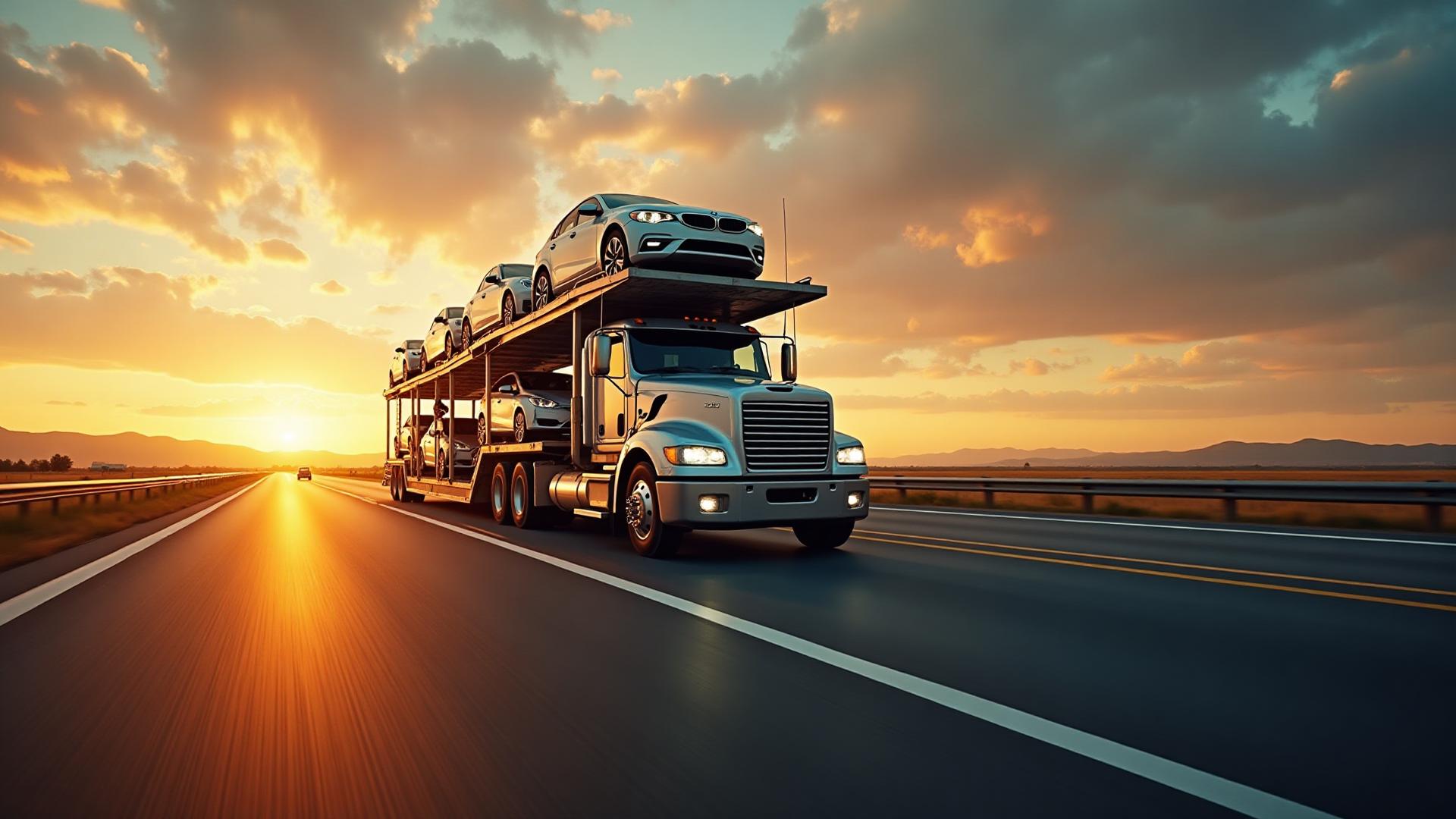
Car Shipping Austin to Los Angeles
The Austin to Los Angeles car shipping lane spans approximately 1,380 miles with transit times of 5-7 days. As Texas's capital and a fast-growing tech hub known for its vibrant music scene, booming startup ecosystem, and world-class universities, Austin generates substantial outbound vehicle shipments to Los Angeles, which is the nation's second-largest city and the busiest auto transport hub in the country. Open transport rates on this corridor average $850 - $1,200, with enclosed options available from $1,400–$1,800 for high-value or classic vehicles. Carriers run via I-35, and the consistent demand on this popular lane keeps rates competitive and pickup windows short.
Approximate Distance
1380 miles
Average Cost
$850 - $1,200
Estimated Transit
5-7 days
Route Availability
7 / 10
Austin to Los Angeles Car Shipping Experts
Quick Answer: The average cost to ship a car from Austin to Los Angeles is about $850 - $1,200 and takes 5-7 days.
Austin to Los Angeles is a popular 1,380-mile auto transport corridor fueled by the tech industry migration between Silicon Hills and Silicon Beach. As Austin has grown into a major tech hub, the flow of vehicles between Central Texas and Southern California has surged, creating strong carrier availability and competitive pricing. The standard route follows I-10 west from Austin through San Antonio, then continues through the West Texas desert, southern New Mexico, and Arizona before entering the LA basin. Open-transport pricing averages $800–$1,100 with transit times of 5–7 days. The corridor benefits from both consumer and corporate relocation volume, keeping carriers busy in both directions.
Austin to Los Angeles Pricing Breakdown
Per-Mile Rate
$0.62
National avg: $0.70–$1.00
Open Transport
$850–$1,200
Standard sedan
Enclosed Transport
$1,148–$1,860
Luxury/classic vehicles
DIY Driving Cost
$554
3+ days of your time
Seasonal Pricing Tip: Mid-distance routes like this 1380-mile corridor see the biggest seasonal swings. Booking in October–March can save you $128–$180 compared to June–August peak rates.
Driving the 1380 miles yourself would cost an estimated $554 in fuel, hotels (2 nights), food, and vehicle wear — plus 3+ days of your time. Professional shipping at $850–$1,200 often saves money and always saves time.
Auto Transport Pricing and Transit Times From Texas to California
The table below provides data on the pricing and estimated time for auto transport between various cities in Texas and California. The cost to ship a car will tend to fluctuate depending on the vehicle type, transport method, season, and exact pickup/delivery locations.
| From → To | Distance | Cost | Transit Time | |
|---|---|---|---|---|
| Austin, TX to Los Angeles, CA | — | $800–$1,100 | 5–7 | Get Quote |
| Austin, TX to San Diego, CA | — | $780–$1,050 | 5–6 | Get Quote |
| Austin, TX to San Francisco, CA | — | $900–$1,200 | 6–8 | Get Quote |
Prices are estimates for a standard sedan. Actual cost varies by vehicle size, transport type, and season. Use our calculator to get an instant quote for your exact shipment.
Tech Worker Relocations: Austin ↔ LA
The Austin-to-LA corridor is driven heavily by tech-sector relocations. Companies like Tesla, Apple, Google, and Meta have major presences in both cities, and employees frequently transfer between offices. This creates a unique shipping profile: higher demand for enclosed transport (tech workers often drive newer, higher-value vehicles) and strong volume year-round without the seasonal peaks seen on snowbird routes. If you're relocating for work and your employer offers a relocation package, KeepShippin provides corporate invoicing, guaranteed pickup windows that align with your start date, and priority scheduling for time-sensitive moves. Multi-vehicle households — common for dual-income tech couples — receive bundled pricing.
Austin Pickup Considerations
Austin's rapid growth means construction zones and new subdivisions are common. Here's what to plan for: Downtown Austin and neighborhoods like East Austin, South Congress, and Rainey Street have narrow streets that can challenge large car carriers. If you live in a central Austin neighborhood, your carrier may suggest meeting at a nearby commercial lot — the parking areas near I-35 and US-290 are popular meetup points. Suburban communities in Round Rock, Cedar Park, Pflugerville, and Buda are generally carrier-friendly with wide streets. HOA communities should confirm large-vehicle access in advance. The best pickup days are Tuesday through Thursday, when I-35 congestion through Austin is lighter than Monday or Friday. Early morning pickups (before 9 AM) avoid the worst traffic delays.
Shipping from Texas
Texas is the second largest state with major metro areas including Houston, Dallas, San Antonio, and Austin. I-10, I-20, I-35, and I-45 create an extensive highway network. Texas is one of the busiest auto transport markets in the country.
Texas, also known as the Lone Star State, has its capital in Austin and encompasses a total area of 268,596 square miles. The state shares its boundaries with New Mexico, Oklahoma, Arkansas, and Louisiana. Learn more about Texas car shipping.
Shipping to California
California is the most populous state and sits along the western coast. With major metro areas like Los Angeles, San Francisco, San Diego, and Sacramento, it's the busiest state for auto transport. I-5, I-10, and I-15 are primary corridors.
California, also known as the Golden State, has its capital in Sacramento and encompasses a total area of 163,696 square miles. The state shares its boundaries with Oregon, Nevada, and Arizona. Learn more about California car shipping.
Transport Options
Frequently Asked Questions: Austin to Los Angeles Shipping
More on Austin to Los Angeles Car Shipping
Related Auto Transport Routes
Helpful Shipping Guides
State Shipping Information
Ready to Ship Your Car?
Get your free instant quote for car shipping from Austin to Los Angeles.