
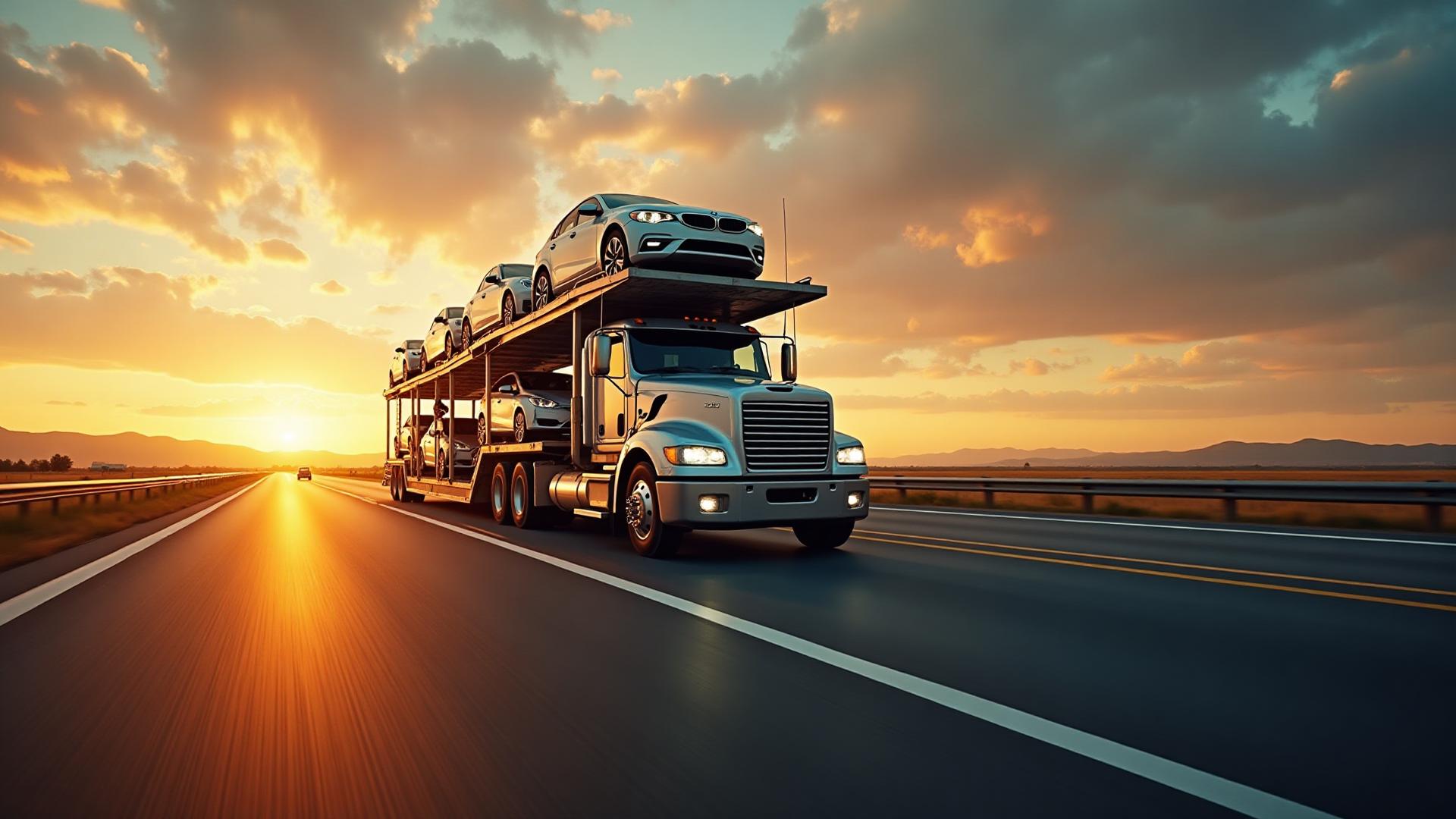
Car Shipping Texas to California
Moving from Texas to California? This popular route connects major Texas cities like Houston, Dallas, and Austin with California destinations including Los Angeles, San Diego, and San Francisco.
Approximate Distance
1500 miles
Average Cost
$850 - $1,200
Estimated Transit
5-7 days
Route Availability
6 / 10
Texas to California Car Shipping Experts
Quick Answer: The average cost to ship a car from Texas to California is about $850 - $1,200 and takes 5-7 days.
The Texas to California auto transport corridor is one of the busiest shipping lanes in the United States. Spanning approximately 1,400 miles from Houston or Dallas to Los Angeles, San Diego, or San Francisco, this route sees thousands of vehicles shipped every month. Whether you're relocating for work, buying a vehicle online from a Texas dealership, or moving for a fresh start on the West Coast, understanding your shipping options helps you save money and avoid delays. Carriers run this route daily in both directions, which means competitive pricing and fast pickup times — typically within 1–3 business days. The I-10 and I-20 corridors are the primary transit paths, passing through New Mexico and Arizona before reaching Southern California. Northern California shipments often route through I-40 to Barstow and then up I-5.
Texas to California Pricing Breakdown
Per-Mile Rate
$0.57
National avg: $0.70–$1.00
Open Transport
$850–$1,200
Standard sedan
Enclosed Transport
$1,148–$1,860
Luxury/classic vehicles
DIY Driving Cost
$580
3+ days of your time
Seasonal Pricing Tip: Mid-distance routes like this 1500-mile corridor see the biggest seasonal swings. Booking in October–March can save you $128–$180 compared to June–August peak rates.
Driving the 1500 miles yourself would cost an estimated $580 in fuel, hotels (2 nights), food, and vehicle wear — plus 3+ days of your time. Professional shipping at $850–$1,200 often saves money and always saves time.
Auto Transport Pricing and Transit Times From Texas to California
The table below provides data on the pricing and estimated time for auto transport between various cities in Texas and California. The cost to ship a car will tend to fluctuate depending on the vehicle type, transport method, season, and exact pickup/delivery locations.
| From → To | Distance | Cost | Transit Time | |
|---|---|---|---|---|
| Houston, TX to Los Angeles, CA | — | $850–$1,100 | 5–7 | Get Quote |
| Dallas, TX to Los Angeles, CA | — | $800–$1,050 | 5–7 | Get Quote |
| San Antonio, TX to San Diego, CA | — | $750–$1,000 | 4–6 | Get Quote |
| Houston, TX to San Francisco, CA | — | $950–$1,250 | 6–8 | Get Quote |
| Austin, TX to Los Angeles, CA | — | $800–$1,100 | 5–7 | Get Quote |
| Dallas, TX to San Diego, CA | — | $800–$1,050 | 5–7 | Get Quote |
| El Paso, TX to Los Angeles, CA | — | $550–$750 | 2–4 | Get Quote |
Prices are estimates for a standard sedan. Actual cost varies by vehicle size, transport type, and season. Use our calculator to get an instant quote for your exact shipment.
Best Time to Ship a Car from Texas to California
Timing your Texas to California shipment can save you hundreds of dollars. The cheapest months to ship are January through March, when demand drops after the holiday season and fewer people are relocating. During this window, carriers often discount rates by 10–20% to keep trucks full. Peak pricing hits between June and August when families move during summer break, college students relocate, and snowbirds return from winter stays. September through November offers moderate pricing with good carrier availability. If you're flexible with your pickup date by even 3–5 days, carriers can optimize their route planning and pass savings on to you. A Monday or Tuesday pickup is often cheaper than a Friday pickup since carriers prefer to start long routes early in the week.
Popular Texas to California Shipping Corridors
The most heavily trafficked corridors between Texas and California include: • Houston to Los Angeles (1,550 miles via I-10) — The highest-volume lane, running along the southern border through San Antonio, El Paso, Tucson, and Phoenix before reaching LA. Carriers run this route daily. • Dallas to Los Angeles (1,440 miles via I-20/I-10) — Slightly shorter than the Houston route, this corridor passes through Midland-Odessa, El Paso, and Phoenix. Very competitive pricing due to high volume. • Austin to San Diego (1,360 miles via I-10) — A popular route for tech workers relocating between the two cities. Carriers often have same-week availability. • Houston to San Francisco (1,930 miles via I-10/I-5) — The longest common corridor, this route adds 1–2 days of transit compared to Houston-LA. Some carriers route through I-40 for the northern approach. Because all of these corridors are high-volume, you'll find more carrier options and competitive pricing compared to less popular routes.
Preparing Your Vehicle for Texas to California Transport
Before your carrier arrives for pickup, take these steps to ensure a smooth experience: 1. Clean your vehicle inside and out — this makes it easier to document existing condition and identify any new damage during the inspection process. 2. Remove personal belongings — carriers are licensed to transport vehicles, not household goods. Most carriers allow up to 100 lbs of items in the trunk, but anything visible through windows is not permitted. 3. Check tire pressure and battery — your car needs to roll on and off the carrier under its own power (or with a winch for inoperable vehicles). Low tire pressure or a dead battery can delay loading. 4. Document existing damage — take timestamped photos of all four sides, the roof, and any existing scratches, dents, or chips. This protects you in the unlikely event of a damage claim. 5. Disable toll transponders and alarms — remove or deactivate any toll tags (TxTag, FasTrak) to avoid phantom charges during transit. Disable aftermarket alarms that could drain the battery. 6. Leave only a quarter tank of gas — a full tank adds unnecessary weight. A quarter tank is enough for loading and unloading.
Shipping from the State of Texas
Texas is the second largest state with major metro areas including Houston, Dallas, San Antonio, and Austin. I-10, I-20, I-35, and I-45 create an extensive highway network. Texas is one of the busiest auto transport markets in the country.
Texas, also known as the Lone Star State, has its capital in Austin and encompasses a total area of 268,596 square miles. The state shares its boundaries with New Mexico, Oklahoma, Arkansas, and Louisiana. Learn more about Texas car shipping.
Shipping to the State of California
California is the most populous state and sits along the western coast. With major metro areas like Los Angeles, San Francisco, San Diego, and Sacramento, it's the busiest state for auto transport. I-5, I-10, and I-15 are primary corridors.
California, also known as the Golden State, has its capital in Sacramento and encompasses a total area of 163,696 square miles. The state shares its boundaries with Oregon, Nevada, and Arizona. Learn more about California car shipping.
Transport Options
Frequently Asked Questions: Texas to California Shipping
More on Texas to California Car Shipping
Related Auto Transport Routes
Helpful Shipping Guides
State Shipping Information

Ready to Ship Your Car?
Get your free instant quote for car shipping from Texas to California.